

Feng shui
 |s =
|bpmf = ㄈㄥ ㄕㄨㄟˇ
|kanji =
|hiragana = ふうすい
|revhep = fūsui
|kunrei = hûsui
|p = fēngshuǐ
|w = fêng1-shui3
|myr = fēngshwěi
|tp = fongshuěi
|mi =
|hanja = 風水
|hangul = 풍수
|rr = pungsu
|mr = p'ungsu
|qn = phong thủy
|chuhan = 風水
|tha = ฮวงจุ้ย (Huang chui)
|khm = ហុងស៊ុយ (hŏng sŭy)
|j = fung1seoi2
|y = fùngséui ''or'' fūngséui
|ci = ''or''
|gan = Fung1 sui3
|poj = hong-suí
|buc = hŭng-cūi
|h = fung24 sui31
|wuu = fon平 sy上
|l = "wind-water"
}}
|s =
|bpmf = ㄈㄥ ㄕㄨㄟˇ
|kanji =
|hiragana = ふうすい
|revhep = fūsui
|kunrei = hûsui
|p = fēngshuǐ
|w = fêng1-shui3
|myr = fēngshwěi
|tp = fongshuěi
|mi =
|hanja = 風水
|hangul = 풍수
|rr = pungsu
|mr = p'ungsu
|qn = phong thủy
|chuhan = 風水
|tha = ฮวงจุ้ย (Huang chui)
|khm = ហុងស៊ុយ (hŏng sŭy)
|j = fung1seoi2
|y = fùngséui ''or'' fūngséui
|ci = ''or''
|gan = Fung1 sui3
|poj = hong-suí
|buc = hŭng-cūi
|h = fung24 sui31
|wuu = fon平 sy上
|l = "wind-water"
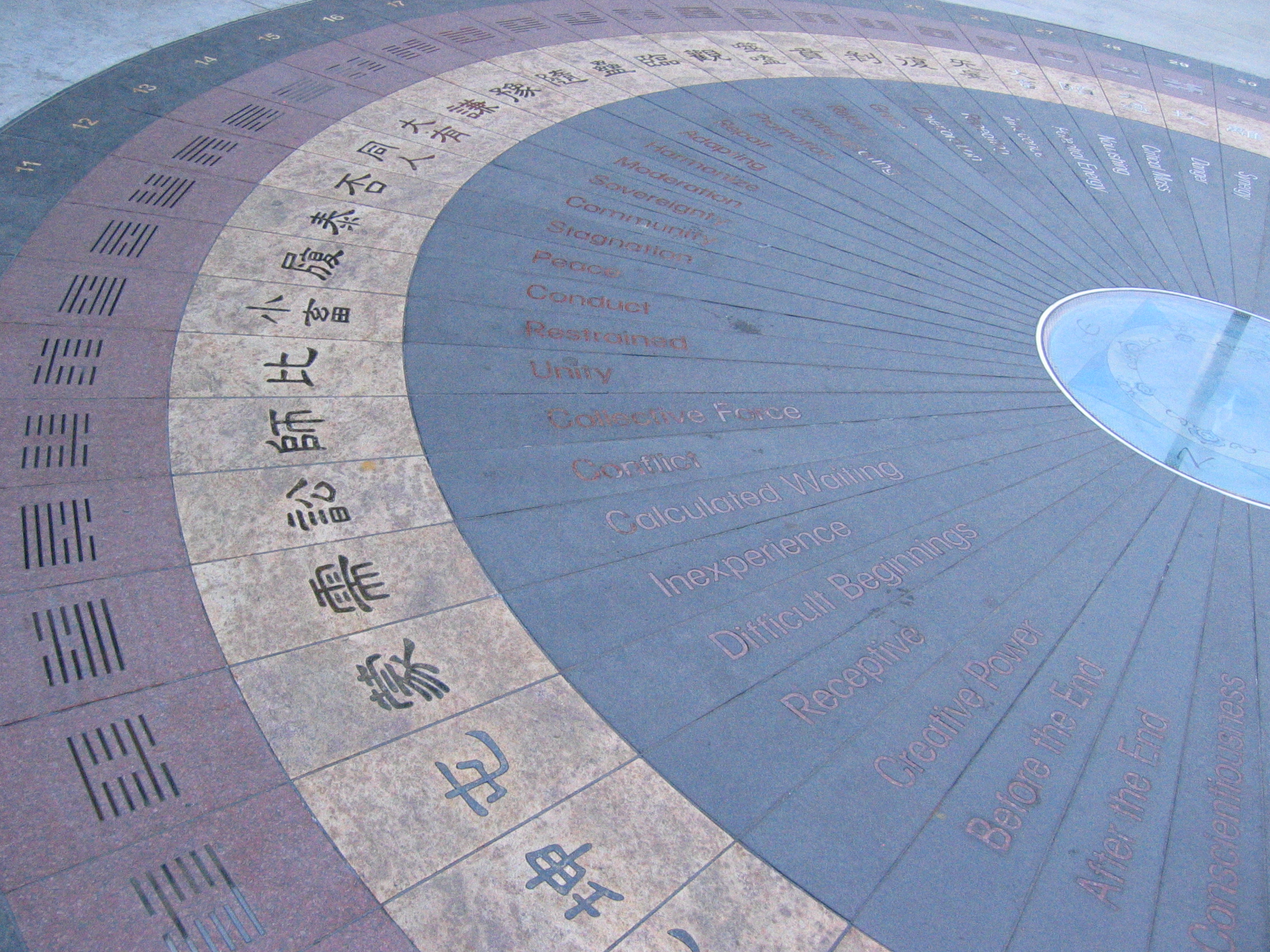
}}Feng shui ( or ), sometimes called Chinese geomancy, is a traditional form of geomancy that originated in ancient China. The term ''feng shui'' means, literally, "wind-water" (i.e., fluid). From ancient times, landscapes and bodies of water were thought to direct the flow of the universal qi – "cosmic current" or energy – through places and structures. More broadly, feng shui includes astronomical, astrological, architectural, cosmological, geographical, and topographical dimensions.
Historically, and in many parts of the contemporary Chinese world, feng shui has been used to determine the orientation of buildings, dwellings, and spiritually significant structures such as tombs.
Feng shui's global uptake during the modern era has been complex. Its host of modern detractors has been very diverse, ranging from 16th-century Jesuit missionaries to the Chinese communist revolutionaries of the 20th century. Regarding its adoption within contemporary Western societies, one scholar writes that "feng shui tends to be reduced to interior design for health and wealth. It has become increasingly visible through 'feng shui consultants' and corporate architects who charge large sums of money for their analysis, advice and design." In Western philosophy of science, feng shui is generally regarded as non-scientific, while some scientific skeptics have more narrowly classified it as a pseudoscience. Provided by Wikipedia
-
1
-
2
-
3
-
4
-
5
-
6